Packaging Management Audit and PPWR Readiness

Regulation (EU) 2025/40 (PPWR) applies from 12 August 2026. We will check how your company applies current packaging legislation and which new obligations lie ahead.
Who do PPWR and the packaging management audit apply to?

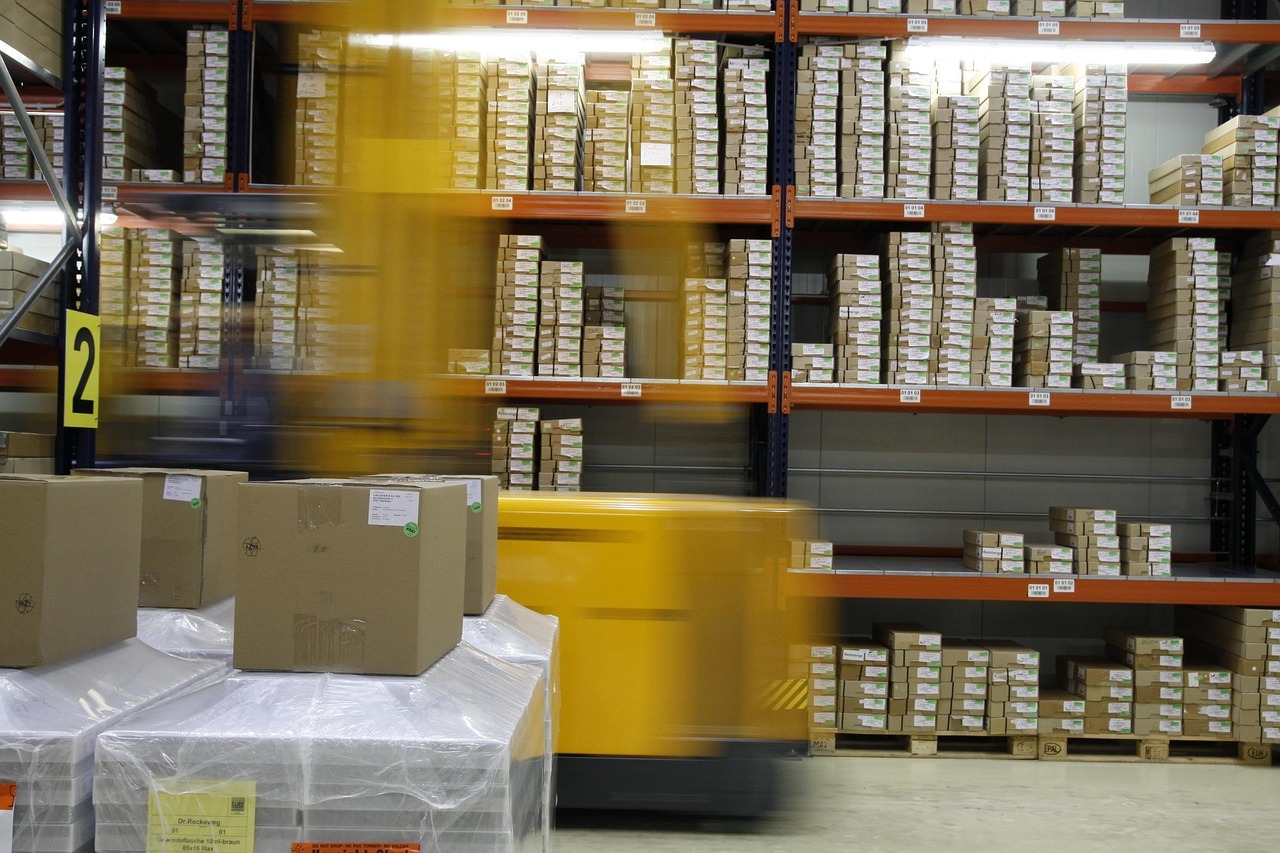
Companies placing packaging on the market

— manufacturers, importers and distributors of packaged goods. Your role in the packaging chain determines which PPWR obligations apply to the company.

Companies subject to extended producer responsibility

— if the company falls under EPR (extended producer responsibility), PPWR clarifies and extends existing obligations for packaging and packaging waste, including registration in the Polish BDO register (database on products, packaging and waste management).

Manufacturing plants and e-commerce

— grouped, transport and e-commerce packaging are subject to new design and record-keeping requirements under PPWR.

PPWR Timeline
12 Aug 2026
PPWR starts to apply
The regulation replaces Directive 94/62/EC and applies directly in all Member States, with no transposition into national law.
12 Aug 2026
Substance limits in packaging
The combined concentration of lead, cadmium, mercury and hexavalent chromium must not exceed 100 mg/kg. PFAS limits for food-contact packaging start to apply.
12 Feb 2027
Food service: containers brought by customers
Food service outlets must allow customers to fill their own containers for beverages and takeaway food.
12 Feb 2028
Food service: reusable packaging
On top of accepting containers brought by customers, outlets must also offer reusable packaging.
12 Aug 2028
Harmonised labelling and QR codes
Packaging receives harmonised material-composition labelling, with matching markings on waste receptacles, QR codes and a separate label for deposit-return packaging.
1 Jan 2029
Deposit-return systems
Member States roll out deposit-return systems collecting 90% of plastic bottles and metal beverage cans of up to 3 litres.
1 Jan 2030
Recyclability grades A, B and C
All packaging must be recyclable and is graded against design-for-recycling criteria.
1 Jan 2030
Ban on selected packaging formats
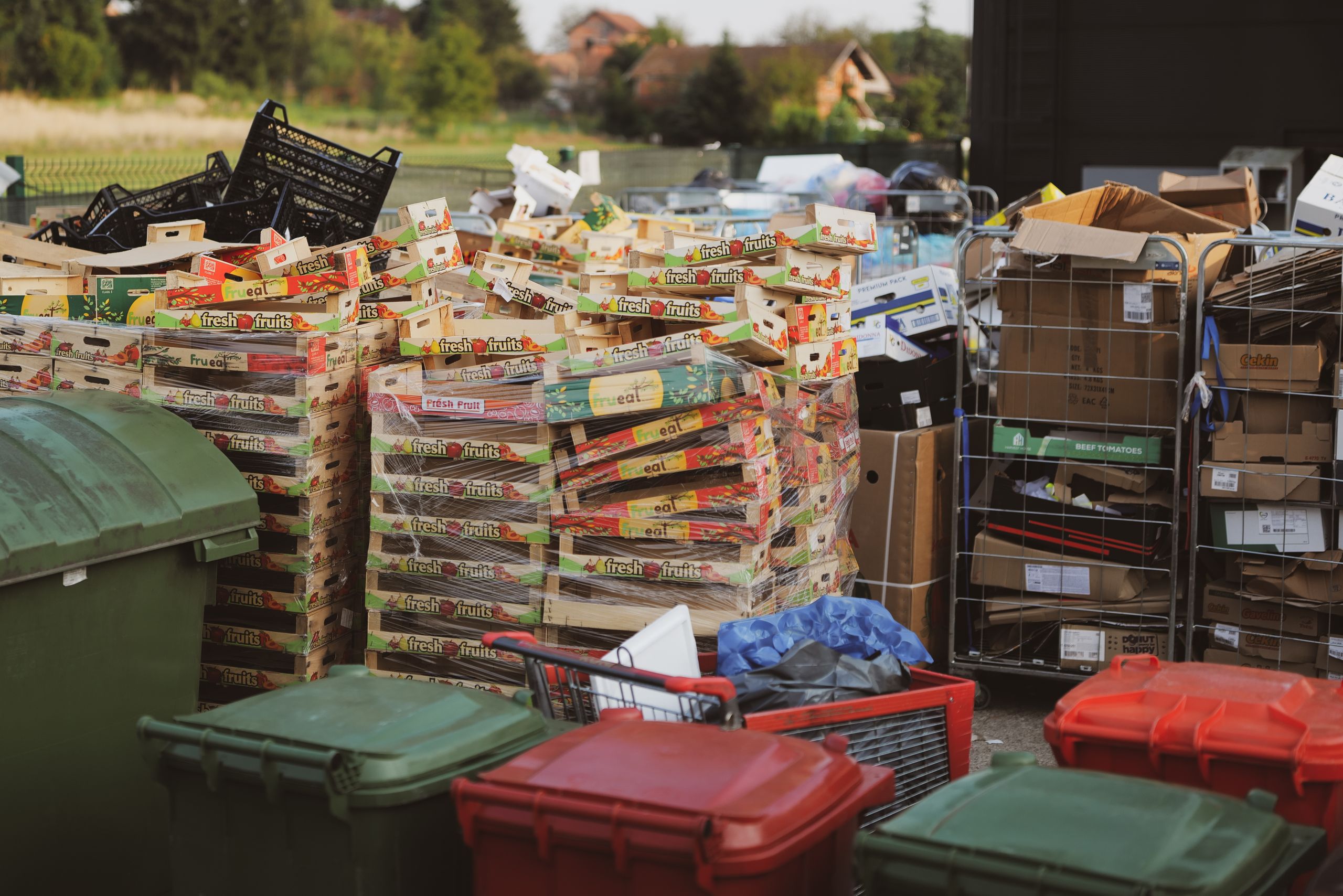
Annex V phases out, among others, grouping films, packaging for fresh fruit and vegetables below 1.5 kg, single-use plastic tableware for on-site consumption in food service, single-portion sachets for condiments and sauces, miniature hotel toiletries and very lightweight plastic carrier bags.
2030
Mandatory recycled content
From 10% to 35% in plastic packaging, depending on the packaging type. For PET beverage bottles the threshold is 30%.
2030
Packaging minimisation
Empty space in grouped, transport and e-commerce packaging must not exceed 50%. Double walls and false bottoms used solely to increase perceived volume are banned.
2030
Reuse targets
40% of transport packaging, 10% of grouped packaging and 10% of beverage packaging in retail.
2030
Waste reduction and recycling rate
Packaging waste per capita 5% lower than in 2018, with the recycling rate reaching 70% (following the 65% target due by the end of 2025).
2035
Tighter criteria and the next threshold
Packaging is additionally assessed against recycling at scale. Packaging waste per capita 10% lower than in 2018.
1 Jan 2038
Only grades A and B on the market
Only packaging in the two highest recyclability grades may be placed on the market.
2040
PPWR final targets
Recycled content from 25% to 65% depending on the packaging type. Packaging waste per capita 15% lower than in 2018.
BDO
PPWR applies from 12 August 2026.

What problems will you avoid by commissioning our packaging audit?

A non-compliant or outdated BDO entry

The BDO entry must reflect what the company actually does. An incorrect or outdated entry is not only a risk of an administrative penalty — it also gives grounds to challenge all previous packaging reporting.

Misidentifying the role in the packaging chain

Manufacturer, supplier, importer, distributor or producer within the meaning of EPR — getting the role wrong means missing obligations that either already apply to the company or will apply after 12 August 2026.

Missing data and documents required from suppliers

PPWR requires packaging information that companies do not usually collect on their own. The audit shows which data and documents are missing and which supplier they need to come from.

Why entrust the packaging management audit to us?

We know the Polish Packaging and Packaging Waste Act, we follow the PPWR implementation process along with its delegated and implementing acts, and we serve companies holding a range of roles in the packaging chain. You focus on the business, we keep an eye on compliance.


Ongoing PPWR monitoring

We track the publication of delegated acts, implementing acts and European Commission guidance on PPWR, so we can tell you what has to be done now and what is still being clarified.

A structured, two-stage assessment

The audit combines a compliance check against current legislation with an analysis of how PPWR affects your company — you get one structured report, not a pile of scattered findings.

Experience with BDO and EPR

Beyond the audit we handle environmental reporting and advise on extended producer responsibility. We can be your single partner for all packaging matters.

How do we work together?

01. Free consultation

A short call or email — we establish the business profile, the packaging used and whether the company already has a BDO entry. On that basis we prepare a quote for the audit.

02. Data collection

You provide details of your operations — the types of packaging used and placed on the market, the BDO entry, record-keeping and reporting documentation, and supplier information where available.

03. Two-stage audit

We check compliance with the packaging legislation currently in force (Stage I), then assess which roles and potential obligations PPWR creates for your company (Stage II).

04. Report and recommendations

You receive a report listing non-conformities and legal risks, plus an action map split into what to do now, what to prepare in advance and what merely to monitor.

The full scope of the audit in one place

What does the service cover?

Compliance assessment against current legislation

Analysis of the business model and packaging flows, assessment of the BDO entry and of record-keeping, reporting and extended producer responsibility obligations.

Identification of roles in the packaging chain

Establishing whether the company is a manufacturer, supplier, importer, distributor, final distributor or producer within the meaning of EPR — and whether it holds several of these roles at once.

Assessment of the impact of PPWR on operations

Identification of areas covered by the new requirements, potential obligations arising from the roles held, and missing packaging data and documents.

sprawozdanie BDO

List of non-conformities and legal risks

Review of packaging management documentation and identification of gaps that may create legal or financial risk even before PPWR takes effect.

Recommendations and action map

Specific corrective recommendations and an action map split into matters to address now, to prepare further, and to monitor as further implementing acts appear.

A report in two parts

Part I assesses current compliance; Part II covers the impact of PPWR on the company, describing the roles held, risk areas and a list of interpretive issues.

After the audit

What will you find in the audit report?

The report mirrors the structure of the audit — one part describes where your company stands today, the other explains what PPWR will change. You receive it in two parts.


Part I — assessment of current compliance

  • Assessment of compliance with the packaging and packaging waste legislation currently in force
  • Assessment of registration, record-keeping and reporting obligations, including the BDO entry
  • List of identified non-conformities and gaps
  • Identification of legal risks arising from the identified gaps
  • Corrective action recommendations

Part II — impact of PPWR on operations

  • Description of the roles of the company identified under PPWR
  • Indication of potential obligations attached to each role
  • Definition of organisational and decision-making risk areas
  • List of the key interpretive issues
  • Indication of missing packaging information and documents
  • Recommendations for further preparatory action
  • Action map: what to do now, what to prepare, and what merely to monitor

Before PPWR takes effect, find out where your company stands.

Do not wait for every implementing act. Contact us and we will tailor the audit scope to your operations and the packaging you use.

Frequently asked questions

PPWR is Regulation (EU) 2025/40 of the European Parliament and of the Council on packaging and packaging waste. It entered into force on 11 February 2025, and the general date from which it applies is 12 August 2026. Individual requirements will take effect in stages, and some rules are still being refined in delegated and implementing acts.

The audit is an assessment of compliance with current legislation plus a preparatory analysis of how PPWR affects the company. It does not cover preparing technical documentation, EU declarations of conformity, laboratory testing or packaging design — those are implementation activities delivered under a separate offer.

PPWR distinguishes, among others, the manufacturer, supplier, importer, distributor, final distributor and the producer within the meaning of extended producer responsibility rules. A company may hold several of these roles at once — the audit helps establish which.

Yes. Under Stage I we assess whether the entry in the BDO register is correct and complete, along with record-keeping and reporting obligations and — where applicable — cooperation with a packaging recovery organisation.

We analyse sales, grouped, transport and service packaging, e-commerce packaging and reusable packaging that your company uses, handles and places on the market.

No. The audit is not a PPWR implementation process, nor confirmation of compliance with every requirement that will apply in the years ahead. The assessment is made on the basis of the legislation, implementing acts and guidance available at the time it is carried out.

The report consists of two parts: an assessment of current compliance (non-conformities, gaps, legal risks, corrective recommendations) and an analysis of the impact of PPWR (roles of the company, potential obligations, risk areas, missing data and an action map).

Timing and cost depend on the scale of operations, the number of roles in the packaging chain and the number of packaging types used. Contact us so we can match the audit scope to the company — we will prepare an individual quote.

Quick response!