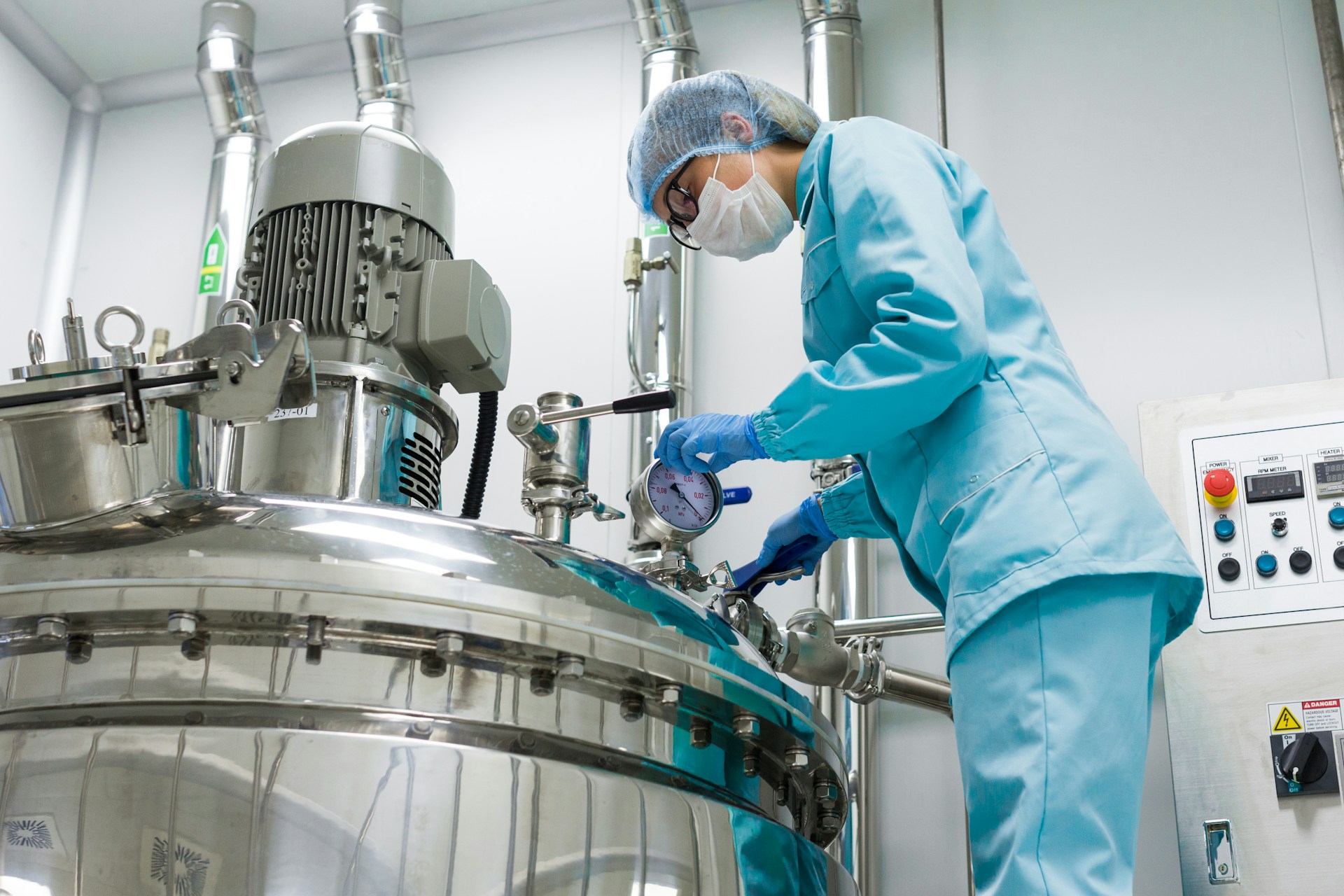
The Most Common Ergonomic Mistakes in Chemical Plants and How to Eliminate Them
The most common ergonomic mistakes in chemical plants are awkward postures when operating valves and pipework, manual handling of heavy containers of hazardous substances without mechanical aids, poorly designed reach zones, and leaving personal protective equipment (PPE) out of the assessment of the worker’s load. Each of them can be eliminated by reorganising the workstation, choosing the right handling aids and carrying out a thorough occupational risk assessment.
Below we explain how to recognise these mistakes, which methods to use to document them and what to do to remove them from workstations – including in potentially explosive atmospheres.
From our experience
The audits we have carried out in chemical plants have repeatedly revealed shortcomings in workplace ergonomics, which then translated into worker fatigue and, as a result, into errors and adverse events, including accidents. A worker in the chemical sector is exposed to many hazards, such as chemical agents, noise, and high or low temperatures. Add dynamic or static load to that, and it turns out that the work they do carries a very high occupational risk. The consultant’s job is to show how to design the workstation properly so that this risk is kept to a minimum.
Key takeaways
- Industrial ergonomics goes far beyond choosing a chair: it covers the layout of the space, workstation design, PPE and environmental conditions.
- Scale of the problem: according to EU-OSHA, roughly three in five workers in the EU report musculoskeletal disorders (MSDs).
- Main mistakes: awkward postures, no mechanical aids for lifting, and PPE left out of the load assessment.
- Weight limits: in Poland, for permanent work one worker may lift and carry up to 30 kg (men) or 12 kg (women), and corrosive or harmful liquids – no more than 25 kg and 10 kg including the container.
- Assessment methods: RULA, REBA, the NIOSH lifting equation and OWAS are proven tools for documenting the occupational risk assessment required by the Polish Labour Code.
- ATEX zones: handling aids must have an equipment category and Ex marking suitable for the zone and for the substances present in it.
Why ergonomics in chemical plants means more than a comfortable chair
Industrial ergonomics is a much broader concept than adjusting a monitor or choosing an office chair. In a chemical plant it means matching the workstation, tools, work organisation and environmental conditions – such as noise, temperature and lighting – to human capabilities and limitations. There are also variables you will not find in an office: heavy PPE, work with limited visibility, the specific requirements of ATEX zones and constant contact with hazardous substances.
Mistakes in this area have direct health and financial consequences. According to the European Agency for Safety and Health at Work (EU-OSHA), roughly three in five workers in the EU report musculoskeletal complaints, and among people with a work-related health problem, 60% name MSDs as the most serious one. For the employer, this means sick pay, the cost of cover, production downtime, employee claims and the risk of liability for poor work organisation.
Which ergonomic mistakes are most common in chemical plants
Manual handling of heavy containers of substances
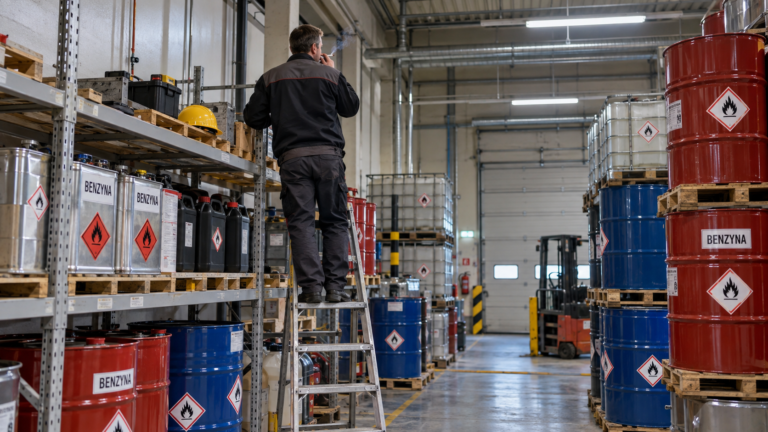
A typical scenario looks like this: operators lift drums, jerrycans and tanks without mechanical aids or in an awkward posture dictated by the layout of the building. Meanwhile, the Polish regulation on occupational health and safety in manual handling work, which implements Directive 90/269/EEC, sets hard limits. For permanent work, the weight of objects lifted and carried by one worker must not exceed 30 kg for men and 12 kg for women. In a chemical plant, however, § 20 is often more important: one worker must not carry hot, corrosive or harmful liquids if their weight including the container and handle exceeds 25 kg (men) or 10 kg (women).
The problem grows when the assessment ignores PPE. The statutory limits apply to the weight of the load itself, but a chemical-resistant suit, safety boots and breathing apparatus genuinely increase the load on the musculoskeletal system. The regulation requires the risk of manual handling to be assessed taking into account, among other things, the working environment, the way the work is done and the worker’s individual predispositions – and that is exactly where the effect of PPE belongs.
Awkward postures at valves, pipework and machinery
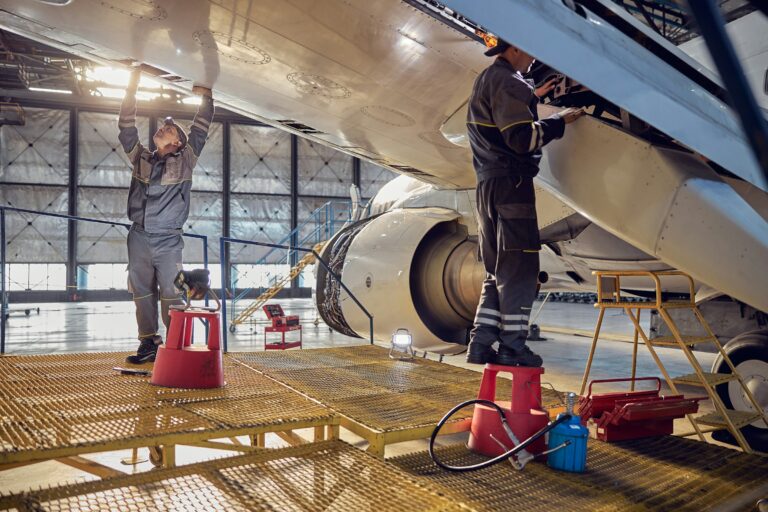
Valves fitted too high or too low, buttons outside the natural reach of the hands, tools that cannot be operated with gloves on – this is everyday reality in many plants. Workstations are designed around the requirements of the installation, not around human capabilities. The PN-EN ISO 11226 standard describes a method for evaluating static working postures and helps to document that holding an awkward posture for a long time creates a musculoskeletal risk that calls for corrective action. A lack of space around installations increases the load further, because the operator cannot adopt a more natural working posture.
Personal protective equipment and the specifics of ATEX zones
A heavy chemical-resistant suit restricts the range of motion in the joints, gloves reduce sensitivity and force a stronger grip, and a mask with breathing apparatus shifts the centre of gravity and puts strain on the neck and shoulders. A hood or full-face mask narrows the field of vision, which forces the worker to twist the torso and frequently adopt compensating postures.
In potentially explosive atmospheres there is a further restriction: every handling aid must be built to the appropriate explosion-protection category, which narrows the range of available solutions. That is why ergonomics is best planned together with the explosion risk assessment and ATEX requirements, not after the fact. All of these factors – both in selecting PPE and in designing the workstation – should be included in the occupational risk assessment.
How to assess workstations for ergonomics
What to check at an industrial workstation
An ergonomic assessment of a workstation in a chemical plant should cover: hand reach and body posture during typical tasks, the weight of the objects carried and the effect of PPE, task repetition, the time a static posture is held, noise and lighting levels, temperature and the layout of equipment. The Polish Labour Code (Article 226) requires occupational risk to be assessed and documented, and proven observational methods are widely used to describe it quantitatively:
| Method | Best use in the chemical industry | What it assesses |
|---|---|---|
| RULA | Dosing, operating equipment, bench work, laboratory tasks | Arms, wrists, neck, trunk; score 1–7 |
| REBA | Sampling, cleaning installations, work at tanks, awkward whole-body postures | Neck, trunk, legs, upper limbs, grip; score 1–15 |
| NIOSH | Lifting and lowering drums, sacks, jerrycans and packaging | Recommended weight limit and lifting index |
| OWAS | Initial review of many postures across the whole work cycle, e.g. maintenance, warehouse | Back, arm and leg posture and load weight; action category |
OWAS is a good starting point for a first review of postures – we describe how it works and when we use it on the OWAS method page. The score alone is not everything, though. It is worth complementing it with observation of the full work cycle and conversations with the workers, who know the strain of their workstation best. A result without context – such as task frequency, shift patterns or findings from preventive medical examinations – is of limited value when planning corrective action.
Checklist for production halls
Adapting workstations to ergonomic principles requires a systematic review. A checklist for a workstation in a chemical plant should cover at least:
- body posture during typical tasks,
- reach zones and working height,
- the weight of loads carried – separately for corrosive and harmful liquids (limit including the container),
- the choice of PPE and how well the items work together,
- lighting, temperature and noise,
- the organisation of breaks and task rotation,
- ATEX zone requirements for handling equipment.
Practical solutions for the chemical, pharmaceutical and construction industries
Ergonomics in ATEX zones and when working with hazardous substances
The most effective solution is to eliminate or reduce the manual handling of heavy containers. Pneumatic manipulators, drum lifters and explosion-proof electric pallet trucks make it possible to handle drums, jerrycans and tanks without the risk of ignition. When selecting them, the full Ex marking matters: category 2G equipment is suitable for zones 1 and 2, but the gas group (e.g. IIB) and temperature class (e.g. T4) must match the substances actually present in the zone. Adjustable work platforms let you set the height to suit the operator and eliminate bending or reaching overhead. It is also important to choose valves and handles that can be operated comfortably with protective gloves on.
Not every solution requires an investment in equipment. Job rotation and working in pairs for tasks that involve lifting are organisational measures that deliver results straight away.
Pharmaceuticals and construction: where the mistakes look different
In pharmaceutical plants the challenge is working in cleanrooms: strict clothing requirements restrict freedom of movement, and standing for long periods at packaging lines encourages overloading of the wrists and shoulders. Here, adjusting the height of packaging lines and rotating manual tasks has the greatest effect. On construction sites other hazards dominate: vibration from hand tools, carrying materials over uneven ground and working in awkward postures during assembly. The key here is to reduce manual transport by using conveyors, cranes and suitable work platforms. In every case the procedure is the same: risk assessment, choice of solution, implementation and documentation.
How we work with clients on ergonomics
We carry out ergonomic audits of workstations, including to prepare a company for an inspection. In ATEX zones we take explosion-protection requirements into account when selecting handling aids and check that the chosen PPE items are compatible with each other. We translate the results into the occupational risk assessment and a concrete corrective action plan.
We also work in an OSH outsourcing model, so the employer does not need to hire their own full-time specialist. We run OSH and fire safety training for workers and managers, and advise on chemicals and ADR. We operate throughout Poland, mainly in the chemical, pharmaceutical and construction industries.
Ergonomics in a chemical plant is an investment, not an expense
Start with an initial assessment of workstations using a proven method, prepare a checklist tailored to the conditions in your production hall and schedule an audit with a specialist. Adapting workstations to ergonomic principles in a chemical environment is not a matter of comfortable furniture – it is part of occupational risk management that directly affects safety, productivity and operating costs.
The greatest economic burden usually comes not from a single serious injury, but from an accumulation of shorter sick leaves, lower productivity and the cost of cover. That is why it pays to act before the problem shows up in the accident statistics.
FAQ
Does the risk assessment have to take the weight of personal protective equipment (PPE) into account?
Yes, although not by adding it to the statutory load limit – the limits in the Polish manual handling regulation apply to the object being carried. A chemical-resistant suit, safety boots and breathing apparatus do, however, increase the real load on the musculoskeletal system, so their effect must be described in the occupational risk assessment and, with methods such as NIOSH or REBA, reflected in the task conditions.
Which observational methods are best for assessing the ergonomics of an industrial workstation?
The most commonly used are RULA, REBA, the NIOSH lifting equation and OWAS. Each has its own use: RULA works well for dosing and operating equipment, REBA for awkward whole-body postures, NIOSH for lifting loads, and OWAS for reviewing postures across the whole work cycle.
What constraints should handling aids for ATEX zones take into account?
The equipment must have an Ex marking suitable for the zone (category) as well as for the gas group and temperature class of the substances present there. In practice this applies to explosion-proof manipulators, lifters and pallet trucks, and to controls that can be used with gloves on and with a restricted field of vision.
How much can one worker carry manually in a chemical plant?
Under Polish regulations, for permanent work – up to 30 kg for a man and up to 12 kg for a woman (for occasional work, 50 kg and 20 kg). A lower limit applies to hot, corrosive or harmful liquids: 25 kg for men and 10 kg for women, including the container and handle.
Sources
- Regulation of the Minister of Labour and Social Policy of 14 March 2000 on occupational health and safety in manual handling work (consolidated text: Journal of Laws 2018, item 1139) – in Polish
- Polish Labour Code – Article 226 (occupational risk assessment) – in Polish
- EU-OSHA: Work-related MSDs – prevalence, costs and demographics in the EU (report summary)